6 High-Margin Niche Smart Wearable Products for Private Label Brands
1. AI-Powered Kids Watches
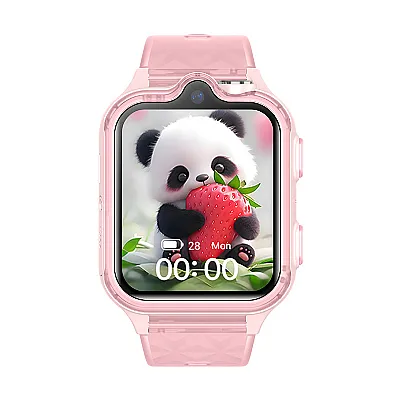
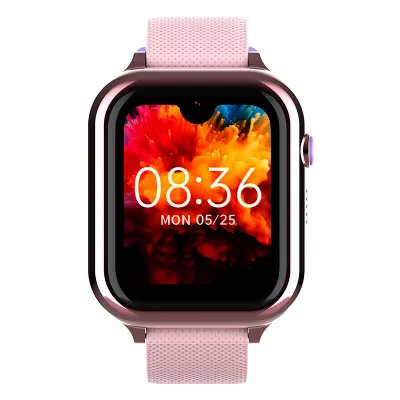
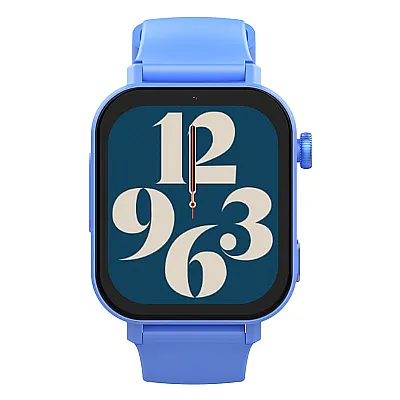
Parents in 2026 are looking for "Phone Alternatives." The focus has shifted from simple GPS to AI-assisted safety. Kids' smartwatches have a lot of safety features, and now enhanced by utilizing AI to analyze "Safe Zone" patterns. If a child deviates from their usual school route, the AI triggers a predictive alert. This is a good niche to start your wearable business, as 68% of parents now prefer a dedicated wearable over a smartphone for children under 12 to mitigate social media risks.
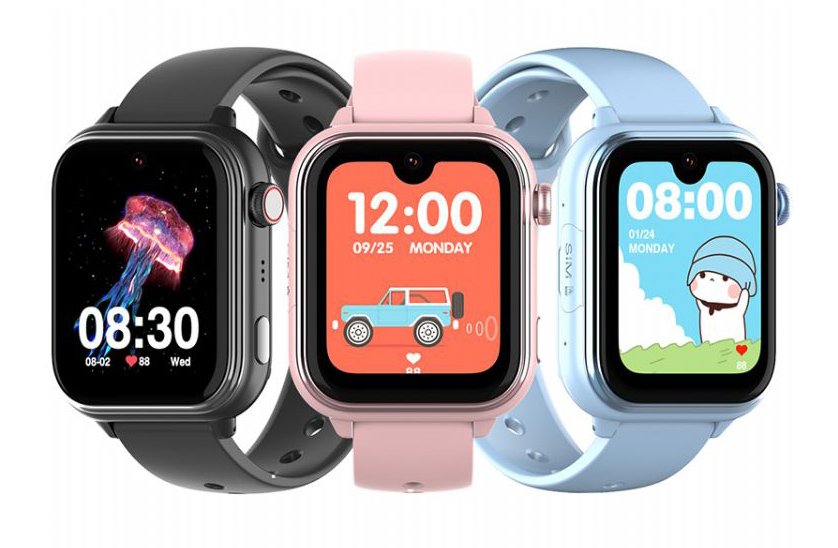
Featured Product: AI Kids Watches
2. Senior Care Wearables with Fall Detection & ECG
The global population is aging fast, and families are actively looking for ways to monitor elderly loved ones without making them feel "tracked” or overwhelmed by technology. Senior-focused wearables with automatic fall detection and ECG monitoring are one of the most practical, emotionally compelling niches in the entire market because they directly address safety, independence, and peace of mind.
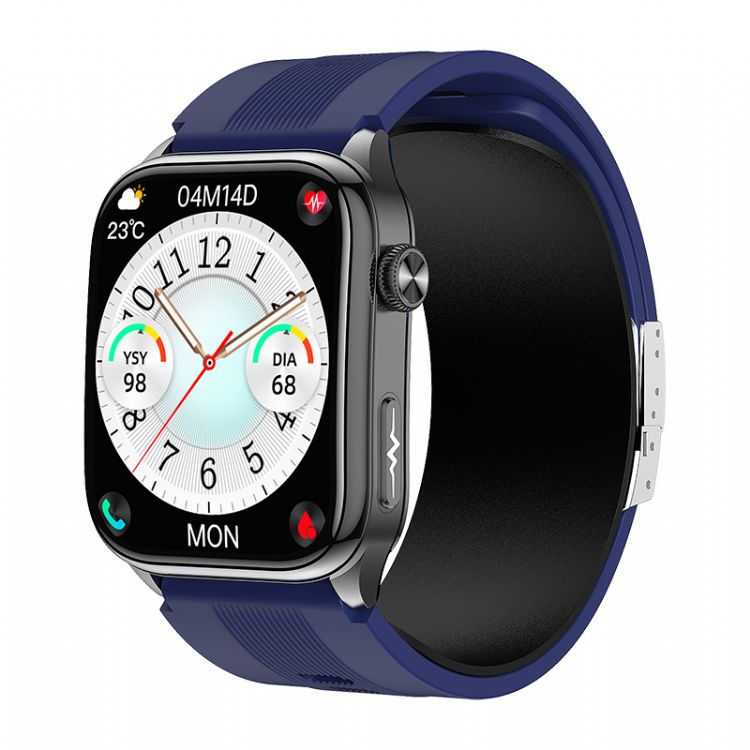
Product Fit: Senior Smart Watches
3. Screenless Health Bracelets
People are now tired of more screens. They want to keep track of their health without seeing more screens and notifications. The trend is shifting toward discreet, high-performance recovery trackers. By using a private label version of a screenless health bracelet, brands can attract users who prioritize health data over digital noise.
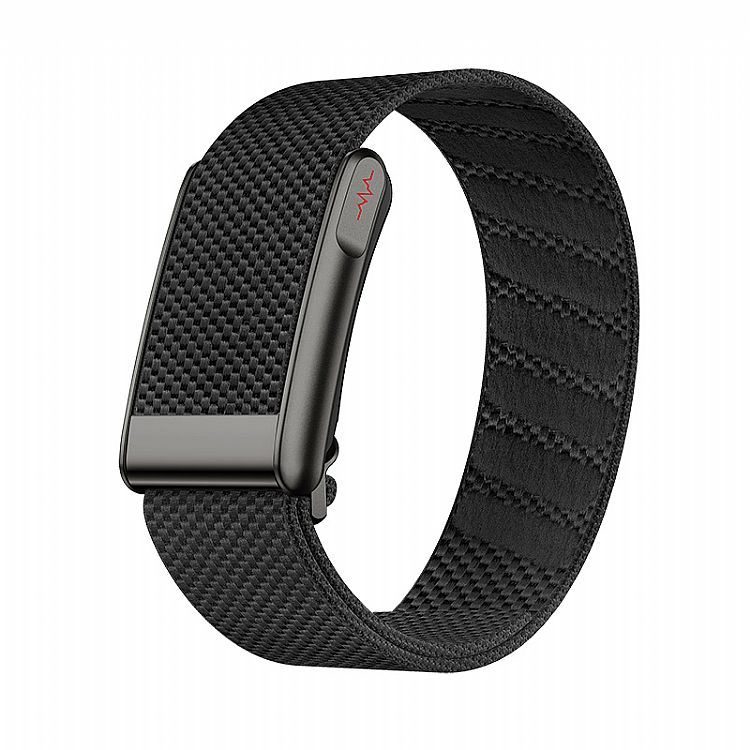
Featured Product: Screenless ECG Health Bracelet
The MF91 is a screenless, whoop-style, lightweight health band with Bluetooth 5.3. Screenless designs also has effect on the performance by reducing battery consumption. As an entrepreneur, a screenless health bracelet also has a low manufacturing cost. Wonlex MF91 Screenless ECG Health Bracelet focuses on ECG accuracy, which is a high-value selling point in the health and wellness sector. It also integrates Blood Oxygen (SpO2) and HRV (Heart Rate Variability) monitoring.
4. AI-Integrated Smart Glasses
With the maturity of LLMs (Large Language Models), 2026 will be the breakout year for AI glasses. Unlike bulky VR headsets, smart glasses use cameras to identify objects and provide audio feedback. Even, IDC predicts smart glasses will see a 45% year-over-year growth in the enterprise and niche consumer sectors by 2026.
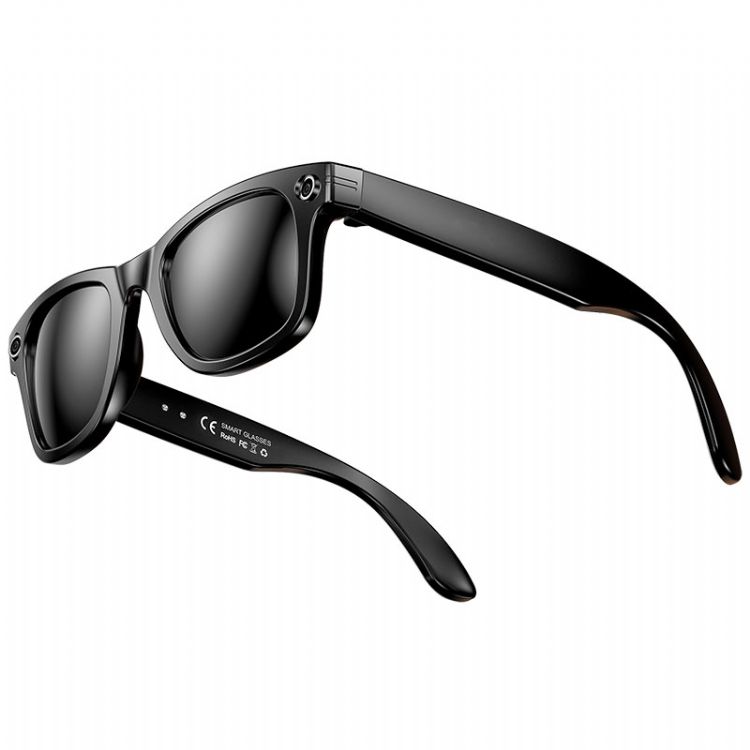
Featured Product: Dinowear AI Glasses
5. Smart Health Rings
Smart health rings feature a lightweight, low-profile design that supports comfortable 24/7 wear—including during sleep—while minimizing motion artifacts and maintaining stable skin contact for more accurate HRV, sleep, and recovery analysis. This continuous, high-quality data stream enables reliable long-term health tracking, delivering clinical-grade biometrics and remote care capabilities for preventative and personalized health management in a discreet, everyday device.
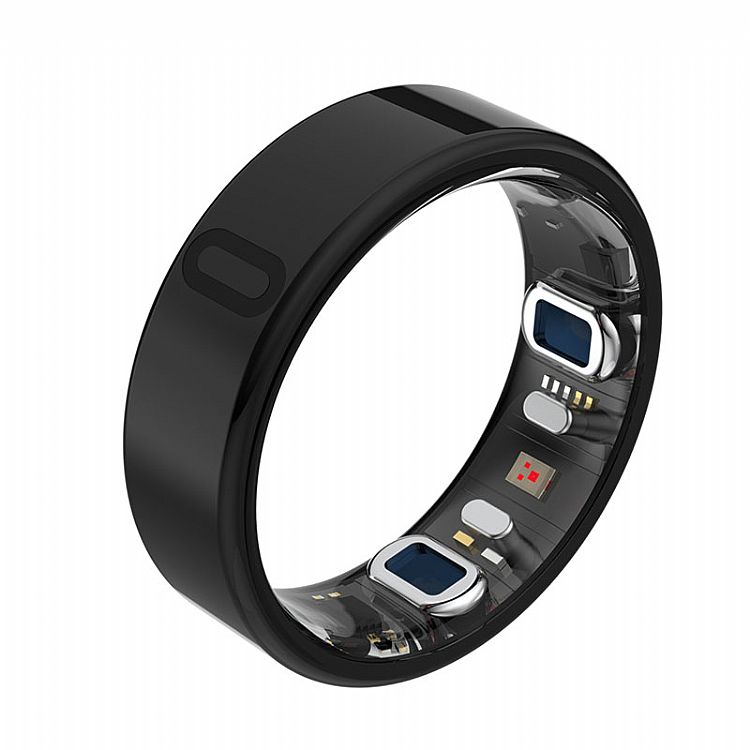
Featured Product: ECG Smart Health Ring
6. Smart Pet Wearables
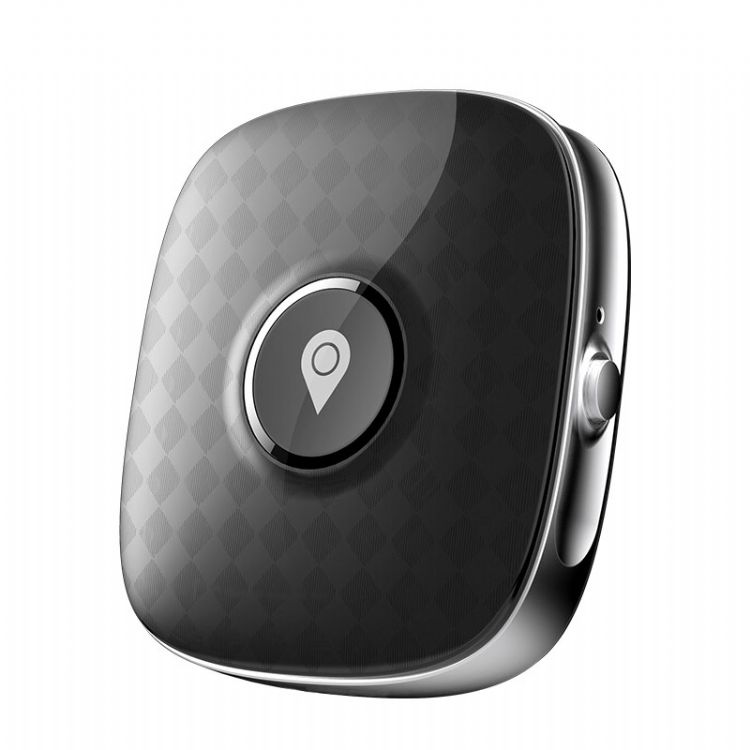
The pet tech market is expanding beyond simple collars to health-centric wearables. You can find the niche by selling pet wearables with AI-driven bark analysis and health vitals tracking for dogs and cats. Pet owners are expected to spend $4.8 billion on pet tech by 2026. Private labeling a GPS/Health tracker allows pet brands to get more revenue.
Featured Product: Pet GPS Trackers
Turning These Products into Profitable Private Label Opportunities
Going into the smart wearables industry is an opportunity to tap into the high-growth electronics consumer and digital health sectors. With private labeling, you get a chance to build some serious brand equity in a market. It lets you cash in on the high-margin, specialized smart wearable without throwing down the multi-million dollar R&D investment to develop your own products.
Over 10,300 startups are currently active in the wearable ecosystem (Source: StartUs Insights 2026), proving that the barrier to entry has lowered for those with a strong niche focus. Let's examine some of the factors that are driving so many entrepreneurs to launch their own niche wearable brands with private label:
Higher Profit Margins with Fewer Competitors through Sub-Niches
Research indicates that niche products frequently have lower customer acquisition costs (CAC) and higher conversion rates. According to a Shopify investigation, in competitive markets, niche businesses can achieve conversion rates up to 50% higher than general stores. So, forget about competing against the tech giants like Apple or Samsung, and instead, focus on a specific sub-niche. Focus on niche products that can generate 2x the profit margins of generic electronics because they solve a very specific problem that keeps people coming back for more.
Rapid Market Penetration
One of the biggest hurdles in tech startups is the years of R&D and getting all those certifications (CE, RoHS, FCC). By partnering with a trusted manufacturer, you get to skip all that hassle and get a market-ready, high-quality product with your logo. And all of these processes can be done in weeks, not years.
Full Control Over Your Brand Identity
When you private-label, you are the brand owner. You decide the price, you design the packaging, and you create the marketing that speaks directly to your customers' hearts.
How to Choose the Right Smart Wearable Niche for Your Brand
Selecting a smart wearable niche should be based on market demand, profit potential, and manufacturing feasibility rather than personal preference. For private label brands and OEM/ODM buyers, the right segment combines strong sales opportunities with reliable supply chain support. Here's a practical framework to evaluate your options:
- Start with proven market demand
Look for categories with consistent or growing demand, such as senior health monitoring, kids smart watches, or fitness trackers. Validate opportunities through marketplace data, competitor analysis, and search trends rather than assumptions.
- Focus on real user problems
Successful wearable products solve specific pain points — for example, fall detection for seniors, location tracking for children, or continuous health data for chronic condition management. Products with clear use cases are easier to market and scale.
- Evaluate profit margins and price positioning
Avoid overly saturated, low-margin categories. Instead, prioritize niches where added features or specialization allow higher pricing and healthier margins for your brand.
- Assess OEM/ODM feasibility
Choose segments that manufacturers can support with mature hardware platforms, stable components, and customization options (app, firmware, casing, packaging). This reduces development cost and time-to-market.
- Consider certifications and compliance
Medical-grade or telecom-enabled devices may require certifications such as CE, FCC, or FDA. Factor in these requirements early to avoid delays and extra costs.
FAQ: Private Label Smart Wearables in 2026
Q: How can I launch a smart wearable business with low capital?
A: Find a smartwatch and wearable manufacturer that'll let you start small. Then, set up your own online store without having to pay for a fancy e-commerce platform. Use social media, word of mouth & free tools to get some customers on board without breaking the bank.
Q: How much does it cost to launch a smart wearable business?
A: It all depends on the complexity and degree of functionality. Developing a custom wearable device from scratch (including R&D, hardware design, app development, and certifications) can easily require hundreds of thousands to several million USD, according to industry cost breakdowns for fitness and health wearables. But if you just take over an existing product through a private label service, you can start a small niche brand for a cheaper cost. By doing this, you can focus mainly on branding and selling, rather than developing the whole thing from scratch.
Q: How do I find a smart wearable supplier for private label?
A: First, you need to start by making a list of manufacturers who specialise in smart wearables and already have the key certifications (CE, RoHS, FCC) covered for their existing product lines. Then look for suppliers who already offer OEM or private label services, can provide some decent product catalogs, and have a track record of exporting to your target markets. There are loads of platforms out there that can help you do this, like Alibaba, but always make sure to get some samples and gauge the response time before you make any final decisions. If you are looking for a reliable partner, you could try
Wonlex. They are a dedicated smart wearable manufacturer with a bunch of GPS watches, senior care devices, kids trackers, and health bands that they are happy to do private OEM, ODM, and private label service.
Q: How is AI specifically enhancing private label wearables in 2026?
A: In 2026, AI is the critical differentiator that transforms generic devices into intelligent, personalized solutions. It's not just an add-on; it's the core engine creating value for end-users and stickiness for your brand.
Summary
Launching a niche wearable brand is less about invention and more about smart selection and strategic partnerships. The key lies in identifying high-potential niche products (like the ones listed above) and collaborating with a manufacturer who can handle the complex R&D, engineering, and production. This allows you to focus on your core strength: building a compelling brand and market presence around a quality product.
SOURCE:
https://www.grandviewresearch.com/industry-analysis/smart-glasses-market-report
https://www.startus-insights.com/innovators-guide/wearables-industry-report/
https://financialmodel.net/blogs/cost-open/fitness-tech-wearables