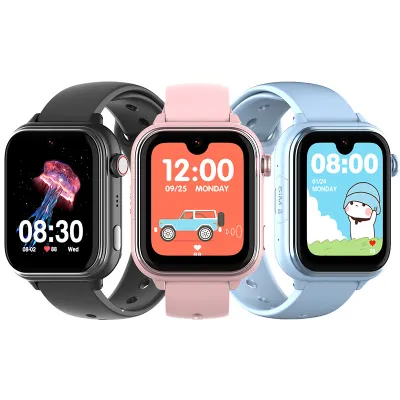
The 5 Best ODM Smartwatch Manufacturers for Startups Across Segments
1. Wonlex (Shenzhen Wonlex Technology Co., Ltd.)
- Best for: GPS smartwatches for kids and seniors, supporting startup-friendly ODM customization.
- MOQ: Trial production run of 100–300 units, 3000 units for mass production.
- Lead Time: 3 days for samples, 15-20 days for ODM mass production.
- Certifications: CE, FCC, RoHS, and ISO9001.
- Key Advantage: Enables startups to build advanced smartwatches with high-accuracy GPS, 4G, and health sensors, starting with small runs (100-300 units) to avoid high upfront costs. Backed by a proven track record of serving 1,000+ OEM/ODM clients and supported by a global network of branch offices and service centers.
- Core Technology: Specializes in RF tuning, sensor calibration, and rigorous EVT/DVT/PVT validation for superior cellular 4G connectivity and provides full access for app integration.
Segment fit:
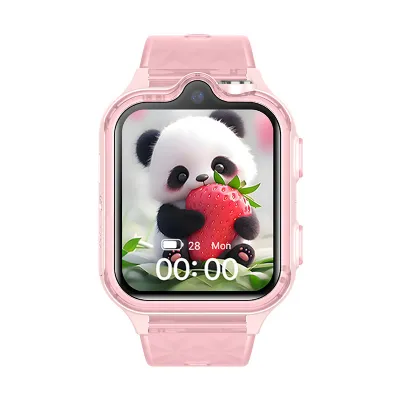
For startups targeting child safety and senior health wearables, Wonlex offers a comprehensive ODM solution combining accurate GPS tracking, health monitoring features, and low minimum order requirements. Its flexibility on early-stage orders makes it particularly attractive for brands entering the kids GPS watch and senior care wearable segments without committing to large upfront volumes. Wonlex offers a Trial Production Run of just 100–300 units. This allows you to get real user feedback on features like battery life and AI response before going into full-scale production. This drastically reduces your financial risk and lets you get your product right at your first order.
How Wonlex's ODM process supports startup brands:
- Strategic Product Planning: Wonlex goes beyond manufacturing. Their team helps with product planning and market analysis to ensure your wearable product has all the right features and unique selling points, like AI or video calling, to make it stand out in the market and be competitive.
- Real-World RF Tuning: RF tuning (Radio Frequency tuning) is the process of optimizing how a device sends and receives wireless signals. In simple terms, it makes sure the smarwatch gets a strong and stable connection in the real world. This is what makes Wonlex special, as many low-cost factories skip this step.
- Robust Quality Validation: Every device undergoes three rigorous testing phases of engineering, design, and production validation test (EVT, DVT, PVT) to verify hardware, design, and assembly quality, guaranteeing a defect rate of less than 1%.
2. iSmarch (Shenzhen Aurora Manufacture Co., Ltd.)
- Best for: Industrial IoT, Enterprise healthcare, and Workforce Safety solutions.
- MOQ: 2,000–3,000 units for mass production; pilot runs of 50–200 units supported for B2B projects
- Lead Time: 2-4 weeks for samples, 4-6 weeks for pilot build, and 8-12 weeks for mass production.
- Certifications: IP67/68 waterproof standards and standard regulatory compliances.
- Key Advantage: Deep expertise in niche connectivity protocols such as LoRaWAN and UWB, enabling precise indoor and outdoor positioning without reliance on cellular networks
- Core Technology: Open device architecture with access to raw sensor data (PPG, accelerometer), suitable for enterprise system integration.
Segment fit:
For startups targeting industrial safety, remote monitoring, or enterprise-grade applications requiring high-precision biometric data, ODM partners like iSmarch are particularly well-suited. Its emphasis on private-network connectivity and raw data access supports deep customization and seamless integration in professional and mission-critical scenarios.
3. iDOO (Shenzhen DO Intelligent Technology Co., Ltd.)
- Best for: Bluetooth smartwatches for consumer brands, fitness trackers, and OEM/ODM projects needing mature algorithms and stable, large-scale supply.
- MOQ: Initial inquiries can reference an industry-reported baseline of 300+ units for standard models. For detailed ODM project quotes, direct consultation with the manufacturer is required.
- Lead Time: 3 days for samples, 30 days for average delivery time.
- Certifications: CE, RoHS, and ISO9001.
- Key Advantage: Strong in-house R&D with nearly 300 engineers focused on heart rate, sleep, steps, blood oxygen, calories, distance, sports, and stress algorithms, plus proven experience in large-volume manufacturing and supply assurance.
- Core Technology: High-accuracy step counting (over 95%), 24/7 heart rate monitoring, real-time SpO₂ and pressure detection, and scientific sleep monitoring optimized for low-power, all integrated into Bluetooth-connected smartwatch platforms.
Segment Fit:
For startups building Bluetooth‑based smartwatches and connected wearables that rely on smartphone pairing instead of cellular modules, ODM partners like iDOO offer mature algorithms, scalable manufacturing, and robust supply chains—ideal for brands needing stable product iteration, multi-SKU strategies, and rapid market entry.
4. Eview GPS (Shenzhen Eview GPS Technology Co., Ltd.)
- Best for: Senior safety and independent living solutions, as well as pet location tracking services.
- MOQ: For simple branding or packaging, MOQ is low; full ODM projects with new molds or hardware require a higher MOQ for production setup.
- Lead Time: Typically 2–4 weeks after sample confirmation or payment; lead time for customized versions varies with project scope.
- Certifications: CE, FCC, RoHS, ISO 9001, ISO 14001, and BSCI compliance.
- Key Advantage: End-to-end solution capability covering hardware design and manufacturing, intuitive software platforms, mobile apps, consulting, and R&D services around senior safety and "protect & connect" use cases.
- Core Technology: Indoor/outdoor GPS-based personal alarms and senior smartwatches tightly integrated with monitoring platforms, enabling real-time location, alerting, and two-way communication between seniors, caregivers, and monitoring centers.
Segment fit:
For startups and service providers targeting senior smartwatches, medical alerts, and remote care ecosystems, Eview GPS is particularly well-suited. Its long-term specialization in personal alarms and senior location watches, combined with its integrated hardware-software solutions and its "Protect & Connect" mission, makes it an ideal ODM partner for ventures focused on elderly safety monitoring, independent aging-in-place support, and subscription-based business models.
5. iQIBLA (Shenzhen Umeox Innovations Co., Ltd.)
- Best for: Smart Tasbih rings and Muslim-focused wearables that integrate prayer time reminders, Zikr counting, and Qibla guidance with the iQIBLA Life app.
- MOQ&Lead Time: The MOQ and lead time are not specified on the website and need to be confirmed via email.
- Certifications: CE, RoHS, FCC, UKCA.
- Key Advantage: Deep vertical focus on Muslim lifestyle, combining smart rings with the iQIBLA Life platform (accurate prayer times, Qibla compass, Quran player, Tasbih features) to create a cohesive faith-centered ecosystem.
- Core Technology: Lightweight Bluetooth smart rings with prayer time vibration reminders, configurable Tasbih counters, small OLED displays, and tight coupling to the iQIBLA Life app to deliver a continuous, app-driven Islamic smart experience.
Segment fit:
For startups and brands focusing on smart rings for Muslim users—such as Tasbih tracking, prayer reminders, and faith-oriented micro-wearables—iQIBLA is particularly well-suited. Its brand influence in the niche market of Muslim smart rings and its comprehensive software ecosystem enable partners to swiftly enter the "smart religious accessories" sector.
The list above is a good starting point for identifying certified ODM smartwatch manufacturers, but understanding their ecosystem provides a strategic advantage. For startups, engaging with the core of the wearable manufacturing industry often leads to the most reliable partnerships. Here's why Shenzhen is a strategic location for your search.
Why Shenzhen is the Unrivaled Hub for Smartwatch Manufacturing
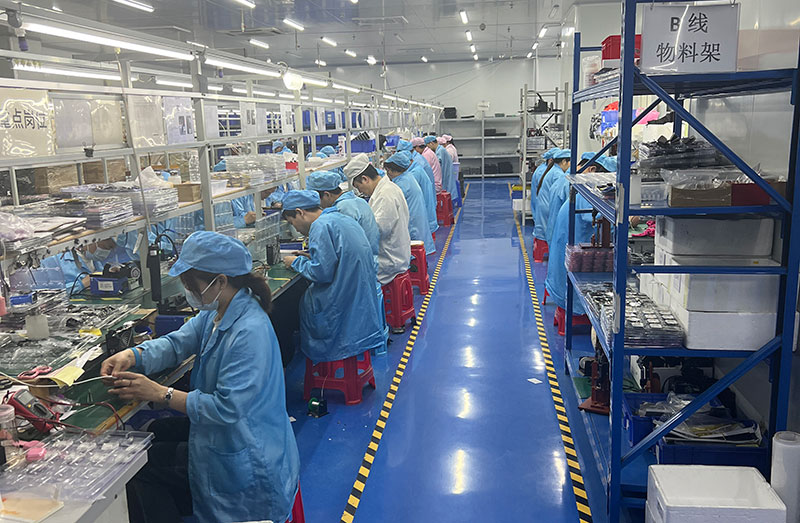
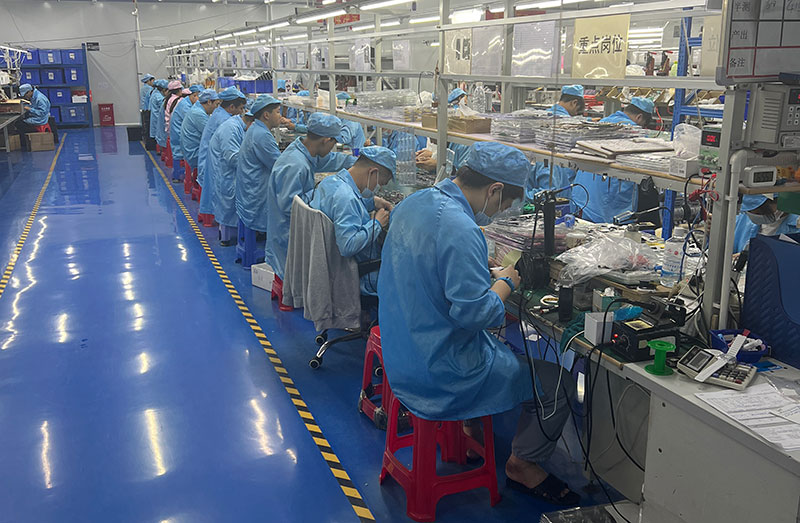
Shenzhen produces 42% of the world's watch output and 53% of China's total watch production (People's Daily China). For global buyers sourcing smartwatch suppliers with BSCI and ISO certifications, it is a natural starting point. The city is supported by dedicated industry infrastructure — its Watch and Smart Wearable Research Institute, established in 2002, operates under the supervision of the Shenzhen Economic and Trade Commission. China accounts for 80% of global watch output, and Shenzhen, which sits at the top of this manufacturing ecosystem as the watch and clock capital of the country, is on track to become the world's leading smartwatch production hub.
The Market Opportunity of Smart Wearables
Smart wearables have evolved beyond general-purpose devices into a multi-segment market, serving distinct needs ranging from kids' safety, senior health monitoring, and fitness tracking to specialized applications such as smart rings and industrial IoT, and so on. This market segmentation creates targeted, high-value opportunities with steady demand, translating into strong revenue potential for businesses that align their products with the right niche.
The Advantages of Partnering with an ODM Manufacturer
To access this market efficiently, partnering with an expert ODM manufacturer in Shenzhen is the optimal path. This approach delivers significant advantages over building your own factory:
- Cost Savings: Eliminates the need for multi-million dollar R&D facilities and SMT (Surface Mount Technology) lines.
- Speed to Market: Partnering with ODM manufacturers will help you speed up your market and production process, reducing the production cycle from 12+ months to 15-20 days.
- Customization: ODM manufacturers can design solutions to your exact brand needs, without the hassle of trying to do all of the R&D and production in-house.
Frequently Asked Questions About ODM Wearable Manufacturing
Q: What is an ODM manufacturer?
A: An ODM (Original Design Manufacturer) develops and manufactures products that brands can customize and bring to market under their own name. Instead of starting with a completely new wearable design, companies can build on an existing product platform and customize elements such as branding, appearance, packaging, software, or selected features. For many startups and established brands alike, ODM manufacturing is often the most practical way to reduce development time, control costs, and launch products faster.
Q: What is the difference between OEM and ODM?
A: The short answer is where the design originates. With ODM, the manufacturer already has a product platform in place. Brands can customize elements like the housing, strap, packaging, app, UI, and selected features—but the underlying design and engineering have already been done. It's faster and generally more cost-effective to get to market.
OEM works the other way around. The customer provides the wearable design or specifications, and the manufacturer handles production. This offers greater product differentiation and control, but generally comes with higher development costs and longer lead times.
For most brands entering the wearable market for the first time, ODM is the more practical starting point. OEM is typically preferred when unique product features or proprietary designs are required.
Q: What should you be looking for in an ODM or OEM partner?
A: When selecting an ODM/OEM partner, evaluate their track record, core strengths, level of customization offered, and supply chain efficiency. Check relevant certifications, such as ISO and BSCI, and verify real-world product performance. Ensure the partner can safeguard intellectual property and support hardware/software integration as needed.
Summary
We hope this guide will be helpful for you to source the right ODM supplier that aligns with your target segment—whether it's kids' safety, senior health, fitness tracking, enterprise healthcare, or muslim-focused wearables. As the listed manufacturers demonstrate, their distinct expertise in various areas enables focused and effective go-to-market strategies. By offloading manufacturing complexities to a capable partner, you can concentrate your resources on building a differentiated brand and achieving long-term growth.