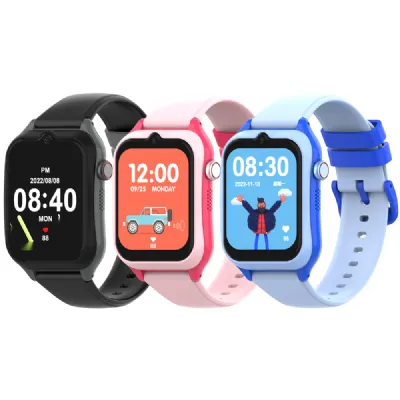
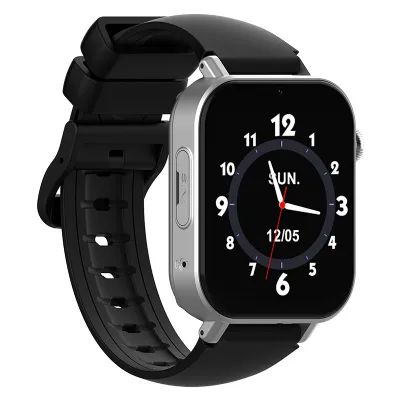
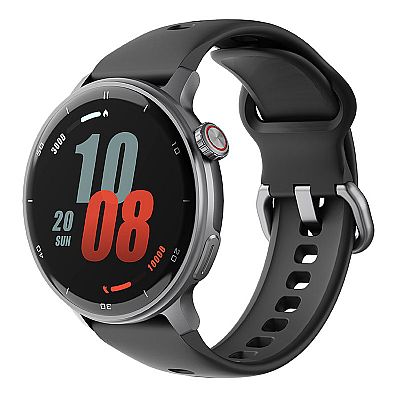
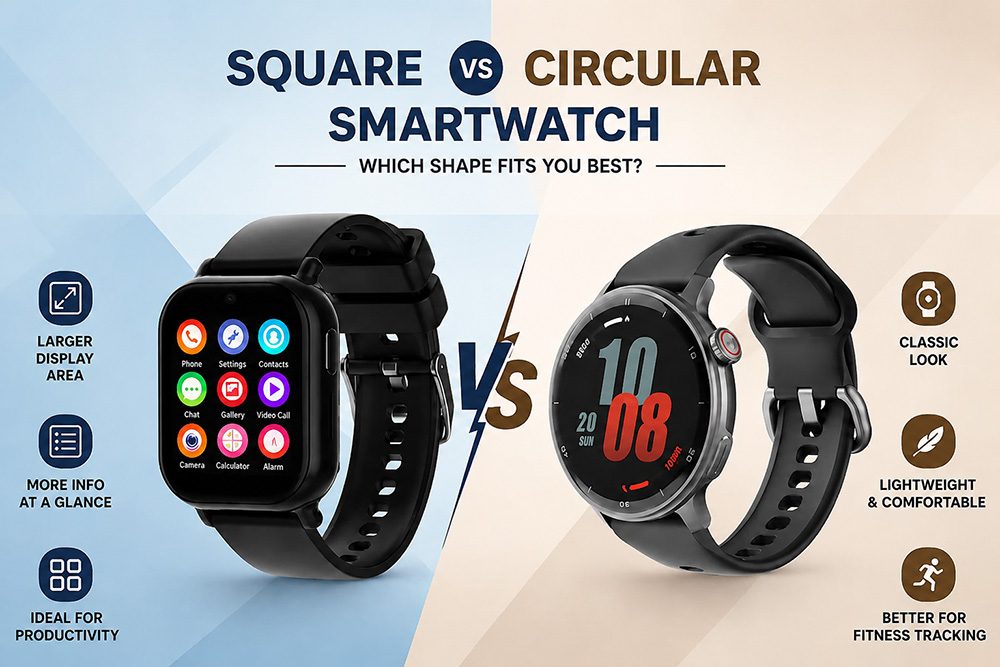
For wearable brands, importers, and distributors looking to build a successful product portfolio, simply adding more hardware features isn't enough. You need the right product strategy, and that starts with nailing market segmentation. One of the most overlooked factors in product development is the physical form factor, in this case, the square vs round screen design on your smartwatch.
The screen shape can influence your target market, user interface, and manufacturing costs. This guide compares the key differences between square and round watches and explains how the right form factor can support your product and sourcing decisions with an OEM partner.
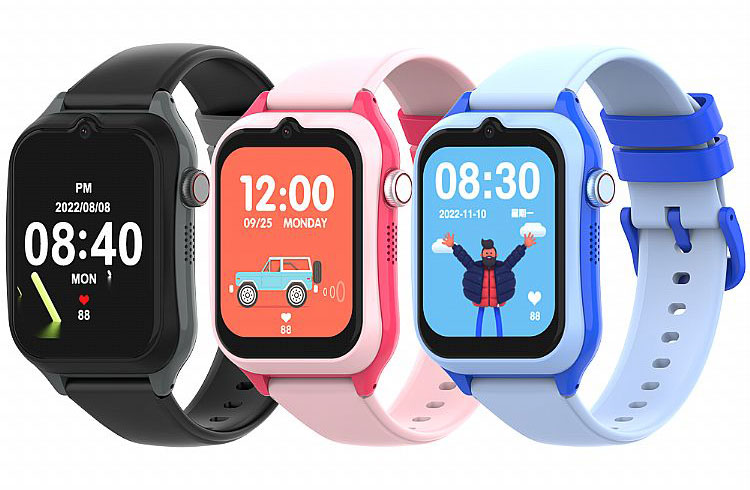
Design Often Influences Buying Decisions Before Features
Before going further, it's worth pausing on why shape matters as much as it does. Buyers form an impression of a device long before they get around to studying its spec sheet; the look alone shapes a lot of that first reaction. That's part of why the market splits cleanly into two directions: square and round smartwatches.
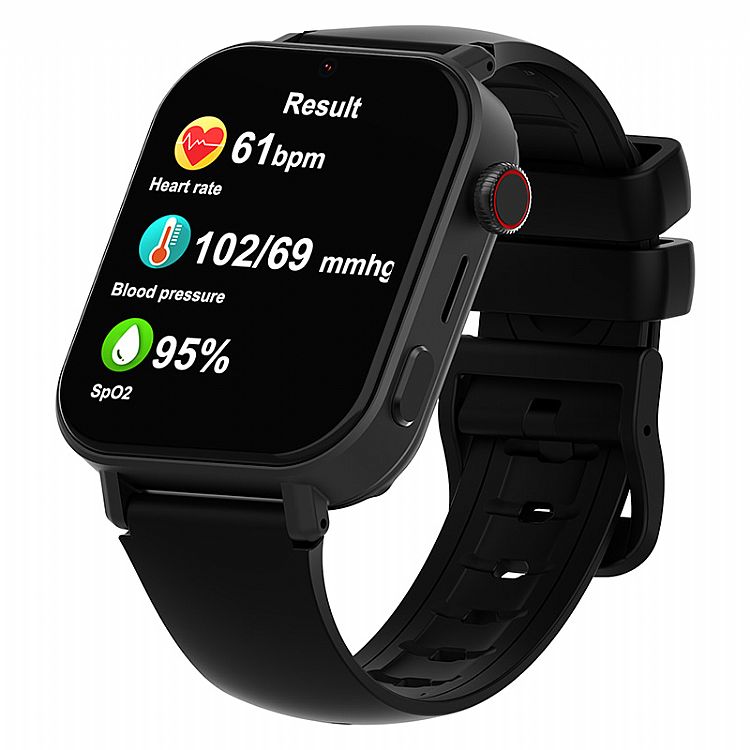
Square watches tend to appeal to parents choosing a GPS watch for their children and to families looking for a safety device for an elderly loved one. A larger screen and a clean, no-frills design come across as functional and dependable, exactly what these buyers are looking for. Circular watches, on the other hand, tend to appeal to runners and hikers thanks to their comfortable fit and the ease of checking health and fitness data at a glance during activity.
There's no universal answer here. What works comes down to who you're actually building the product for.
Why Square Smartwatches Dominate the Kids and Senior Wearable Markets
Current market data shows that square and rectangular watches dominate the kids and senior wearable segments.
Advantages of Square Smartwatches for Kids and Seniors
- More Room to Display Information: Rectangular screens can fit a lot more information on the display, making them better for showing a map, following a breadcrumb trail, or reading a text message. They can provide around 25% more usable screen space compared to a circular screen of the same width, which is quite useful when you're trying to fit more info onto a small display. That's why this kind of smartwatch is mostly used for kids and seniors, for whom screen clarity is crucial.
- Simplified Safety UI Layouts: When it comes to designing the user interface for safety features on a smartwatch, like GPS tracking, health alerts, and emergency call buttons, it's less about aesthetics and more about clear, easy-to-read displays. A grid-based rectangular layout works well here, as it helps prevent text from getting cut off at the edges of the screen.
- Function Over Style for the Target Market: The target market for square watches is mainly parents buying kids' watches or families choosing a senior safety device. In these cases, people aren't too concerned about how it looks — functionality matters more. For family safety use, a simple and clean square design usually works best.
- Cost-Effective OEM Internal Integration: From an engineering perspective, a rectangular design is generally simpler and more cost-efficient to manufacture. It makes better use of internal space for components like the battery, GPS module, and SIM card. This avoids the wasted space that can come with a circular frame, which is helpful when trying to keep costs under control.
Why Circular Smartwatches Are Preferred in the Fitness and Outdoor Segment
Runners, cyclists, and hikers typically prefer quick access to information rather than complex interactions on their smartwatch. For these users, readability and at-a-glance access to key health metrics are more important than extensive on-device input, which makes circular watches a better fit for this segment.
In the sports and lifestyle category, circular smartwatches are widely adopted. They combine the familiar look of a traditional wristwatch with the performance tracking features required by active users, making them a strong option for fitness-focused applications.
Advantages of Circular Smartwatches for Fitness and Outdoor Wearables
- Better Market Acceptance: Although early smartwatches featured square displays, round designs are now more widely accepted in the fitness segment, largely because they feel more natural as traditional wristwatches.
- Better Data Visualization: Round screens naturally center information, making them effective for displaying metrics such as heart rate or distance during outdoor activities.
- Glance-Friendly UI Design: Circular interfaces are optimized for quick viewing, making them suitable for workouts where users need fast access to data without navigating menus.
- Stronger Sports Positioning: Round watches resemble traditional sports watches more closely than digital devices, which makes them a preferred choice among fitness-focused users.
- Improved Usability: Features such as rotating crowns and circular UI layouts improve interaction and make the watch easier to operate during workouts, especially for notifications and fitness tracking.
- Ergonomic Comfort: Some users find larger square watches less comfortable over long periods, as sharp edges may press against the wrist. Round designs generally offer a smoother fit and are more comfortable for all-day wear.
Choosing the Right Smartwatch Shape for Your Target Market
Deciding on a shape for the smartwatch begins with one basic question: who will wear it and how it will be used. Square and round watches don't compete for the same audience; they're built for different purposes and different markets.
If you're supplying GPS watches for kids or safety wearables for seniors, square watches are often a good fit for both user groups. More display space means users can see messages, perform SOS actions, and read maps or health stats more easily.
For runners, hikers, or fitness enthusiasts, the round shape usually wins out. These smartwatches feel more like regular watches, the interface works well for quick glances, and round shapes have traditionally been worn by athletes anyway.
The form factor also affects how the product should be marketed. Square designs are usually associated with practicality and function, while round designs lean into the classic watch look, with extra emphasis on sport. Getting the shape right helps narrow down the product lineup before you even get to technical specifications.
Partner with an OEM/ODM Manufacturer for Square and Round Smartwatches
Turning market needs into a market-ready product requires the right manufacturing partner. Wonlex is an OEM/ODM smart wearable manufacturer based in Shenzhen, China, offering both square and round watches for global brands and distributors. We support product development and customization across design, firmware, UI, branding, and production.
Whether you need a round smartwatch for fitness or a square model for kids and senior safety markets, Wonlex offers a range of designs and specifications for bulk orders, with selected models supporting GPS location tracking, SOS calling, geofencing, and health monitoring. Private-label customization is available to align the hardware, software, appearance, and packaging with your product requirements. Contact our team to discuss your project or request our product catalog.