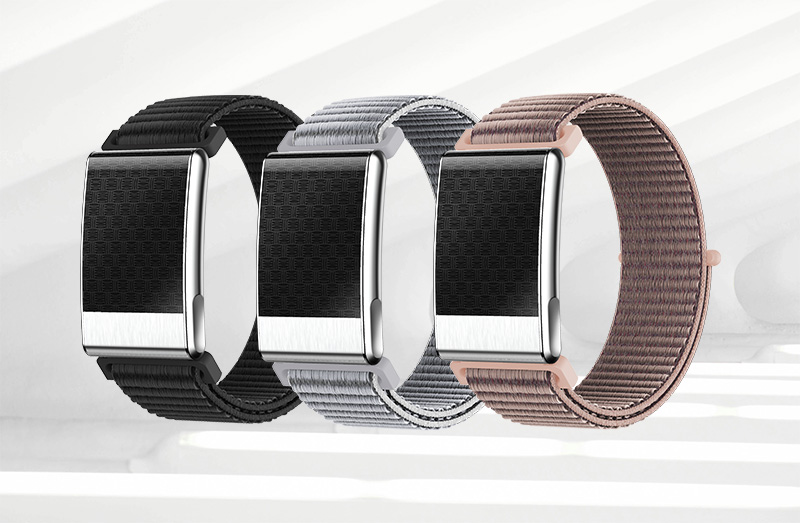
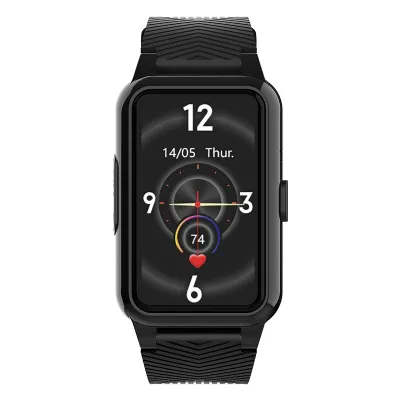
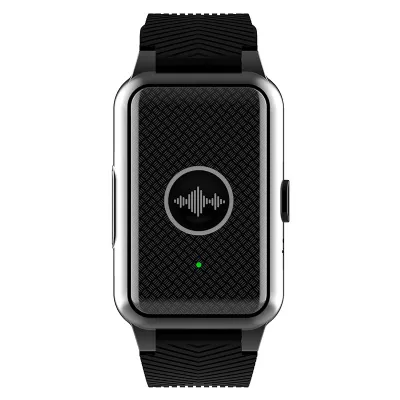
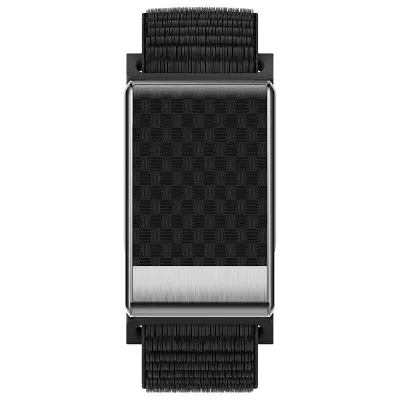
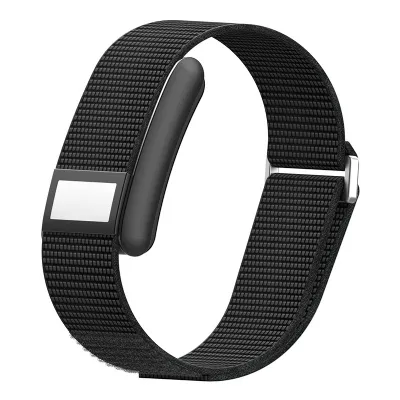
Nevertheless, wristbands are not built to equal standards. Some are designed for fitness enthusiasts, others for medical monitoring, and many are specifically built with older adults in mind. To get the right one, it is not just a matter of seeing the price or design. You need to identify which features are truly important, assess data accuracy, and determine whether the device is compatible with the wearer's lifestyle.
This guide outlines the key factors to consider when choosing a smart health band, whether the decision is made by an individual user, a family caregiver, or an organization deploying devices for health and wellness programs.
Understanding What a Smart Health Band Actually Does
The basic concept behind a smart health band is that it is a wearable device that continuously gathers health-related data via sensors attached to the skin. Modern wristbands do much more than simple step counters. It is possible to check heart rhythm, identify anomalies, interpret sleep patterns, and import them to a smartphone to review easily.
Wristbands are frequently confused with full smartwatches because they are usually lighter, less complex, and health-centered as opposed to notification- and application-based. A health smart bracelet is created to work quietly in the background, gathering valuable information without requiring attention to it all the time.
The most important thing for the buyer should always be what health problem or goal this device is supposed to solve.
Health Monitoring Features That Truly Matter
When comparing wristbands, feature lists can look impressive, but not all features offer real-world value. Focus on monitoring functions that are accurate, clinically useful, and relevant to daily life.
Heart rate monitoring is the foundation of almost every modern health bracelet. A good wristband should offer continuous heart rate tracking rather than occasional readings. This allows the device to detect trends instead of isolated numbers.
More advanced models include ECG functionality. An ECG smart band is capable of tracking the electrical activity of the heart, delivering data on rhythm anomalies. It is particularly valuable among individuals with known cardiac conditions or those prone to arrhythmias. If heart monitoring is a priority, choosing a health band with ECG capability is a wise decision.
An ECG health wristband must be clear about the process of taking readings and the possibility of sharing the data with a medical expert. ECG data can only be useful when it can be meaningfully reviewed.
Accuracy and Sensor Quality
Regardless of how many features a wristband promises, it is accuracy that will distinguish a quality device from a gimmick. The result of poor sensor quality is misleading data, which is worse than no data.
Find wristbands with medical or clinically tested sensors, particularly when it comes to ECG monitoring. An ECG smart band should be well-constructed and minimize motion artifacts, accommodate variations in skin tone, and give consistent measurements during rest and light activity.
The fitting of the wristband is also important for accuracy. A loose band will give unstable heart and ECG readings. The straps should be adjustable and available in various sizes. This is especially important in wristbands for elderly people whose skin sensitivity and wrist size can change.
Driving User Adoption Through Design and Usability
A device's technical specs are irrelevant if end users don't wear it consistently. For organizational programs, user adoption is a critical metric for ROI.
Comfort for 24/7 Wear: Prioritize lightweight, hypoallergenic materials and breathable straps to ensure compliance in long-term monitoring scenarios, especially for elderly care.
Intuitive Interface: Devices should require minimal training. Consider models with clear displays and companion apps that are easy for both end-users and centralized administrators to navigate.
Battery Life as an Operational Factor: Frequent charging disrupts data continuity and increases management overhead. Seek devices with multi-day battery life to reduce support needs and ensure uninterrupted monitoring.
Connectivity and Data Syncing
Most modern wristbands rely on smartphone connectivity to store and analyze data. A Bluetooth smart bracelet wirelessly links to a phone. As a result, the user or caregiver can look into health metrics in more detail.
Bluetooth connectivity must be stable. The device is expected to reconnect automatically, with no frequent problems with pairing. An efficient Bluetooth wristband will also guarantee that the data does not get lost when it is being synced, particularly ECG readings, which can be required in the future.
The companion application is as important as the wristband itself. An effective application is easy to use, well presented, and can comment on trends using simple language. In the case of older users, the app must enable relatives or caregivers to receive health information remotely.
ECG Functionality: What to Look For
ECG is one of the most important features driving interest in advanced wristbands today. But not all ECG features are equal.
An
ECG smart band must make it clear whether it provides single-lead ECG recordings and whether these recordings are up to the standards of a medical device. Wristbands cannot substitute for hospital ECG machines, but a good health band that has an ECG can identify anomalous rhythms early and offer prompt medical care.
Look for devices that store ECG history, allow PDF exports, and flag abnormal readings automatically. An ECG health wristband should guide users through the recording process and indicate whether a reading was successful or needs to be repeated.
For elderly users, this feature becomes even more valuable. A sudden rhythm irregularity detected by a wristband can prevent a delayed diagnosis.
Special Considerations for Seniors and Elderly Users
When selecting on behalf of older adults, the approach will be a little different. Smart bracelets for seniors must be safer, easier to use, and more understandable than flashy ones.
A health wristband for the elderly must have simple menus, huge icons, and a low learning curve. Emergency alert notifications, such as abnormal heart rate or fall detection, provide additional protection.
Aging skin requires even more comfort. The materials used need to be soft and hypoallergenic. A strap that is poorly designed may result in irritation with persistent use.
Remote access to health data is priceless to caregivers. Several smart bracelets for the elderly enable them to share data, enabling family members to check trends without regular check-ins. This makes the wristband more of a care tool rather than a gadget.
Build Quality & Durability for Long-Term Use
Wristbands are subject to daily wear, moisture, and sweat in high-usage environments. Durability is a critical factor in the long-term cost of ownership.
Water resistance (for handwashing and light rain) should be standard; swim-proof capability may be optional depending on use cases. Devices must operate reliably with minimal maintenance, especially under continuous use.
Buttons, sensors, and charging ports should be robustly sealed. A sturdy construction reduces failure rates and replacement costs, which is essential when deploying at scale—particularly in environments where accidental impacts may occur.
Data Privacy & Security for Users and Compliance
Health data is highly sensitive. Any device considered must clearly specify its data storage, encryption standards, and sharing protocols.
Look for solutions that allow centralized management of user permissions, data export, and record deletion. Devices should use authorized Bluetooth protocols and limit data access strictly to necessary health metrics.
This is especially important when managing devices on behalf of users who may not configure privacy settings themselves, ensuring compliance with organizational and regulatory standards.
Price vs. Long-Term Value & TCO
Initial price is only one component; total cost of ownership (TCO) determines real value. A lower-cost device that provides unreliable data or requires frequent replacement is a poor investment for organizations.
Align features with actual needs: if heart health monitoring is a priority, invest in medically validated ECG capability. For general wellness tracking, prioritize durability, battery life, and ease of use over non-essential metrics.
A well-chosen device should deliver consistent performance over years of service, reducing downtime and replacement cycles.
Conclusion
Whether you're an individual seeking personal insights or an organization procuring at scale, the core of a wise decision remains the same: aligning the device with the primary need it must fulfill.
For organizations, this means mapping features to program goals—prioritizing reliability, data security, and ease of management to ensure ROI and compliance in wellness or care initiatives.
For individuals and families, it centers on matching the device to the user's lifestyle and health priorities, valuing comfort, intuitive use, and accurate data that brings genuine peace of mind. The best device isn't the one with the most features, but the one that delivers trusted performance so consistently it becomes a seamless, valuable part of daily life—or organizational operations.